
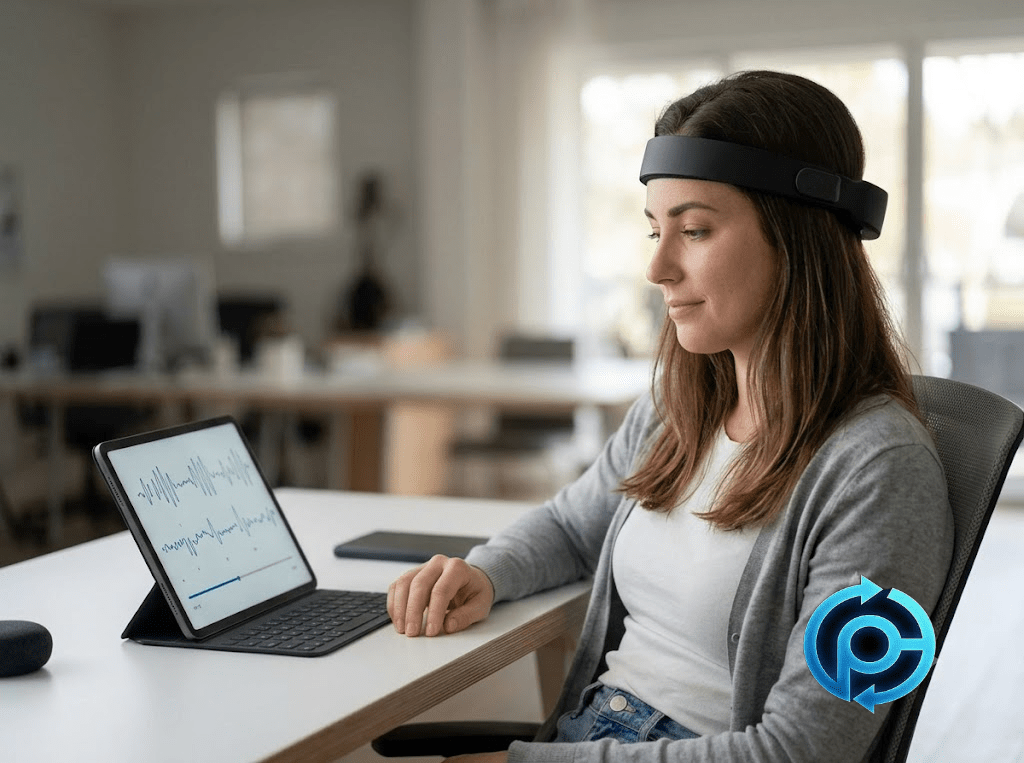
Neuro-Privacy Risks from EEG Brainwave Tracking Devices
Your heart rate, your steps, your sleep: companies already track all of it. Now they want your thoughts. When using an EEG brainwave tracking device, your thoughts are at risk.
What’s in this article
- What is Neuro-Privacy and why it matters now
- How consumer EEG devices work
- The real threat: who collects your brainwave data
- Brain-computer interface ethics and the legal gap
- Real-world examples of biometric data misuse
- How to protect your mental privacy today
- The future of neuro-rights legislation
1. What is Neuro-Privacy and Why Does It Matter Right Now?
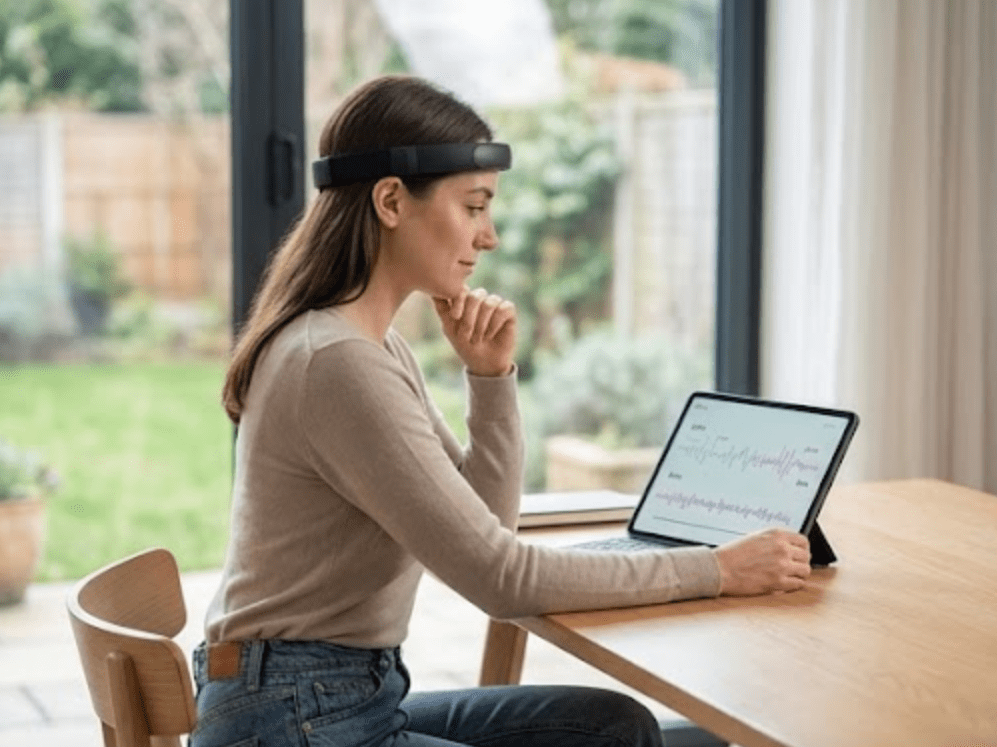
Imagine wearing headphones that monitor your brain activity. This brings up important questions about privacy. These devices track your most private data. They gather this information as you listen to your favorite songs. This happens entirely in the background. Does this sound like something from a sci-fi movie? By 2025 and 2026, this will be a reality in places like your gym, office, and home.
Neuro-privacy is an emerging field that addresses your right to keep your brain data private. As consumer neurotechnology becomes cheaper and more common, the question is no longer can companies read your brainwaves, it’s what are they doing with what they read?
Key Term: “Neuro-privacy is a vital legal and ethical framework. This framework protects individuals from the unauthorized collection, use, or sale of their sensitive neural data. These are electroencephalography patterns captured by everyday wearable devices.
2. How Consumer EEG Devices Work
EEG stands for electroencephalography, a method that measures electrical activity in the brain. Traditionally, EEG was used only in clinical and research settings with medical-grade equipment. Today, that technology has been shrunk down and embedded into:
- Smart headbands (like Muse, Neurosity Crown)
- Gaming headsets designed for “focus optimization”
- Workplace wellness earbuds that track cognitive fatigue
- Sleep-tracking headgear and eye masks
- Next-generation fitness wearables
These devices capture your brainwave patterns, alpha, beta, theta, delta, and gamma waves. These devices send your brainwave data to cloud servers. It can detect your attention level, emotional state, stress response, mental fatigue, and even early signs of neurological conditions.
3. The Real Threat: Who Collects Your Brainwave Data and How
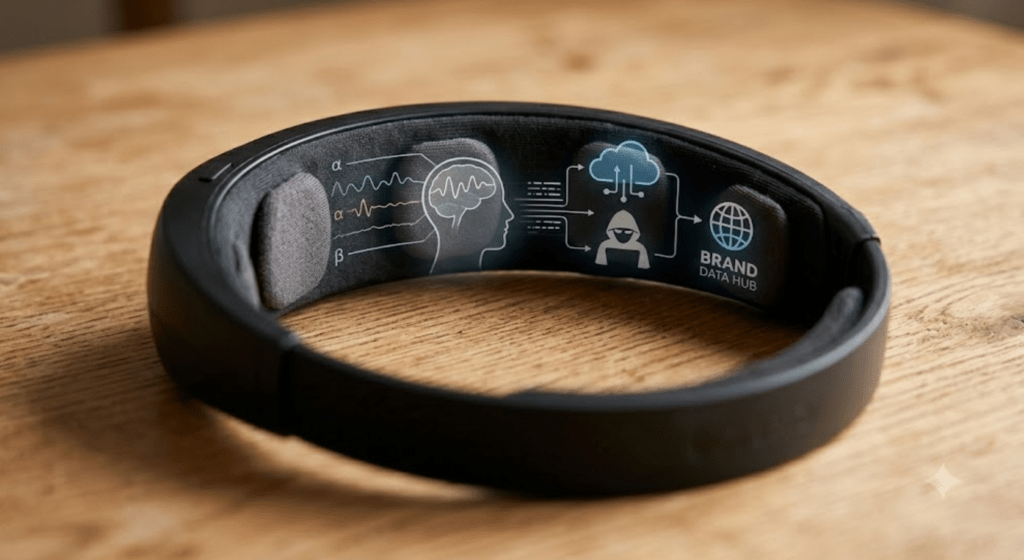
This is where consumer EEG becomes a serious cybersecurity and privacy concern. Understanding EEG device privacy risks is the first step to safety. Here’s the uncomfortable truth about the consumer neurotechnology industry:
- Most companies don’t clearly disclose how long they store your neural data or who they share it with.
- EEG data cannot be reset like a password, and your brainwave signature is uniquely yours, forever.
- Third-party data brokers are already beginning to trade biometric profiles. Adding brain data is a natural next step.
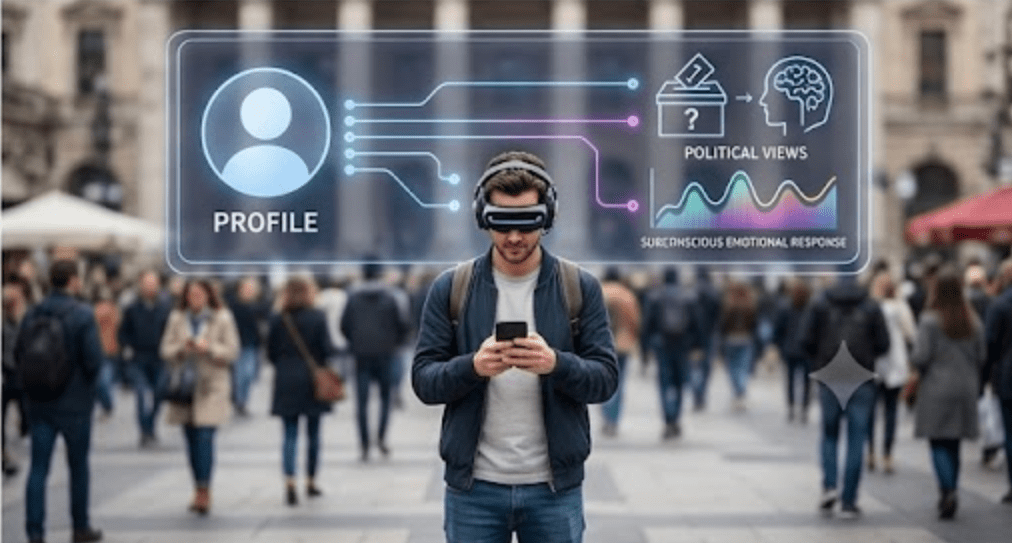
- Advertisers are actively researching the secrets of consumer behavior in fascinating ways. By harnessing the power of AI models, they analyze brainwave data collected as people engage with media in their daily lives. Embrace this journey of understanding and let it inspire you to engage more deeply with the media you consume!
- Insurance companies and employers could theoretically use neural data to assess cognitive risk or productivity.
Real risk is Cognitive profiling: The study used passive brainwave data to analyze neural responses as individuals engaged with different media, revealing subconscious influences on political preferences, emotional vulnerabilities, and purchasing behaviors. This highlights the potential of AI models to effectively interpret complex human responses to media stimuli.
4. Brain-Computer Interface Ethics: A Legal System Playing Catch-Up
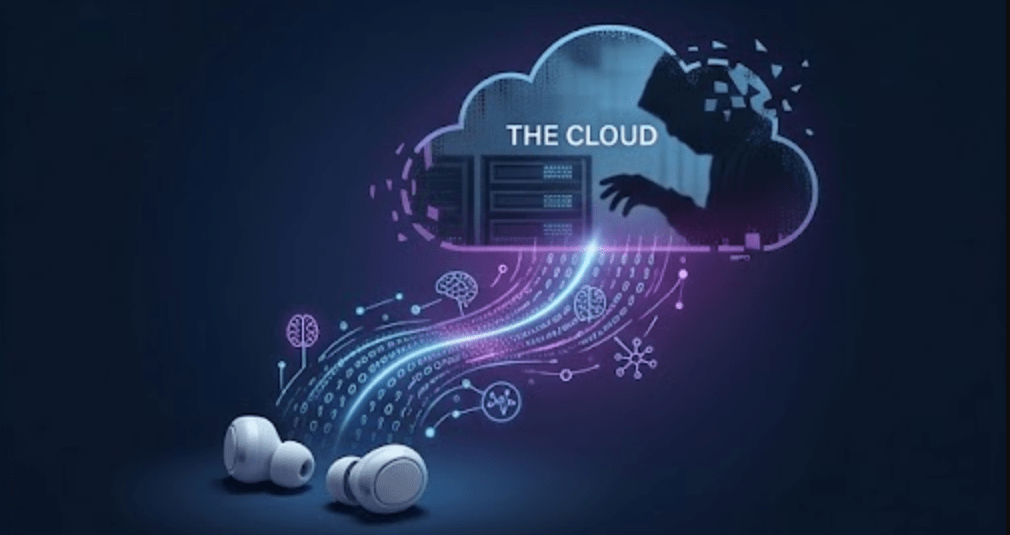
The legal framework around brain-computer interface (BCI) ethics and neural data protection is, frankly, years behind the technology. In the United States, existing privacy laws were not designed with neural data in mind. This includes HIPAA and CCPA.
HIPAA protects medical records. A consumer wellness headband is not classified as a medical device. That means your brainwave data collected by a mindfulness app has virtually no federal legal protection.
As of 2026, only Colorado and Texas have passed any form of neural data protection law, and Chile became the first country in the world to enshrine neuro-rights in its constitution in 2021. For most people worldwide, there is no specific legal shield protecting their brain data.
Why this matters: Traditional biometric data laws cover fingerprints and facial recognition. EEG data contains far richer information. It can reveal cognition, emotion, mental health status, and even intent. The existing legal gaps represent one of the most significant unaddressed threats in consumer data privacy.
5. Real-World Examples of Biometric and Neural Data Misuse
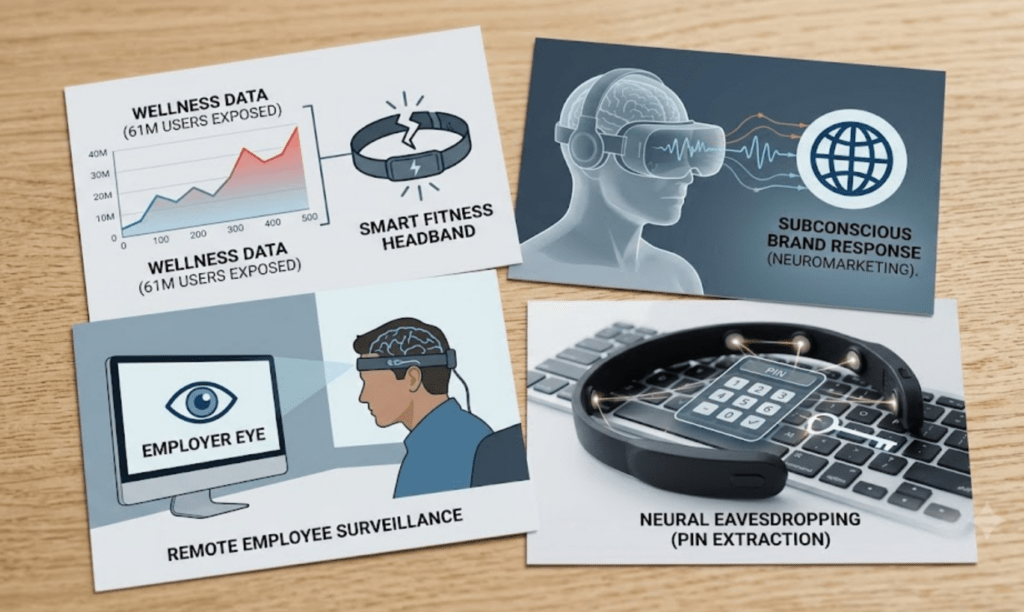
Large-scale brainwave data breaches have not yet made headlines.Warning signs are already visible in adjacent technologies. These include biometric and behavioral tracking systems:
- In 2023, a major fitness device company suffered a data breach exposing biometric data of 61 million users. This included heart patterns and sleep data that can be used to infer mental health status.
- Neuromarketing firms openly sell services to major consumer brands to test “subconscious brand response” using EEG panels.
- Several workplace productivity tools now advertise EEG-based focus monitoring for remote employees, raising acute concerns about employer surveillance and cognitive coercion.
- Researchers at UC Berkeley demonstrated in 2022 that consumer-grade EEG headsets could be used to extract PIN numbers and banking passwords through targeted cognitive probing, a form of neural eavesdropping.
6. How to Protect Your Mental Privacy Right Now
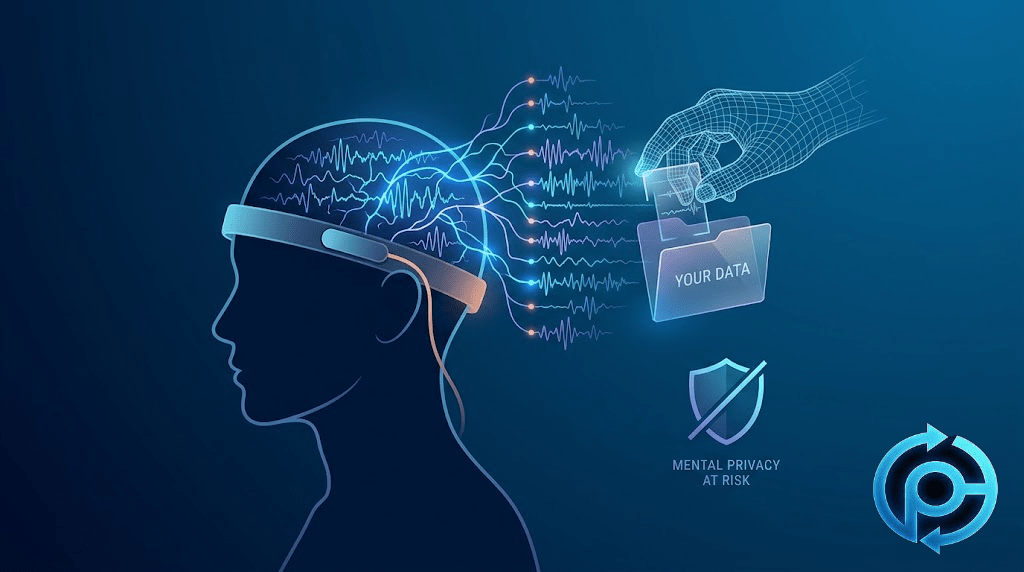
Protecting neural data is essential in 2026. If you are using or planning to use an EEG or neurofeedback device, follow these steps to protect your mental privacy:
- Read the privacy policy before you pair. Look specifically for whether neural data is shared with third parties or used for advertising.
- Check data deletion options. Can you request full deletion of your historical brainwave data? If not, reconsider.
- Use offline-only modes where available. Some devices allow local processing without cloud upload.
- Avoid employer-mandated EEG monitoring. If your workplace asks you to wear a cognitive monitoring device, consult an employment attorney about your rights.
- Support neuro-rights legislation. Organizations like the Neurorights Foundation actively lobby for legal protections at the state and federal level.
7. The Future of Neuro-Privacy: What Laws Are Coming

Momentum is building. In 2025, several U.S. states introduced neural data protection bills modeled after Colorado’s law. The European Union’s AI Act indirectly touches on biometric inference, and there are early discussions about adding neural data to GDPR-style protections.
Researchers and ethicists argue that we need a “Cognitive Liberty” framework, the legal right to mental self-determination, which would include protection from non-consensual brainwave reading, cognitive manipulation through neurotechnology, and algorithmic decisions made on the basis of neural data.
The next decade will define whether your mind remains your own. The technology to read it is already on store shelves. The laws to protect it are still being written.
conclusion: Neuro-privacy is not a futuristic concern, it is a present-day consumer rights issue. As EEG headbands, sleep trackers, and focus monitors become mainstream, knowing what happens to your brain data is just as important as knowing what happens to your financial data. Your brainwaves are your most personal biometric signature. Protect them carefully. As we celebrate occasions like Father’s Day 2026, remember that the best gift you can give is awareness, Not just of his health, but of his digital and mental privacy.